THE SCRIBBLERS TOOLBOX
Welcome to the personal website of me, Jesse Alexander. It’s a home for my ever-expanding collection of screen scribbling tips, tools, observations, and topical ephemera for fellow creative types to peruse, use, disseminate, or disregard. Selections from this blog are also free on Substack. Subscribe to receive a fave weekly post sent to your inbox.
Blog Post Search Examples: plot, character, story, dialogue, transmedia, Lost, game, VALORANT, insanely, blather, Shane Black
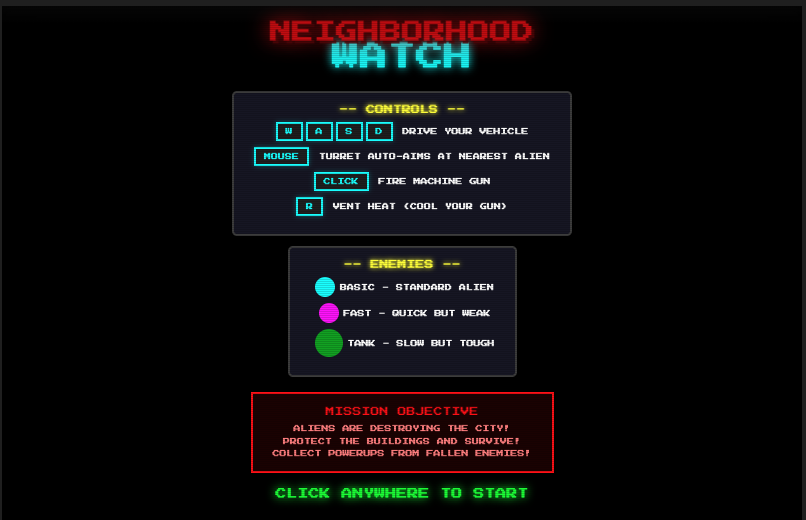
Vibe Coding an Arcade Game
After messing around with AI-assisted coding, I wanted to try making a video game.
Vibe Coding an AI Scene Analyzer
I built a tool that analyzes screenplay scenes using my own methodology. Pulled from the stuff I've been posting on my blog. It took an afternoon. And I don't know how to code.
A Creative Career That Can't Be Automated
The AI future has come to Hollywood. Stop sweating about protecting your job. Start inventing a new version that is uniquely human.
My Target Markets of 2026: Theatrical Events and Streaming Habits
An article for scribblers like me, deciding what the hell is worth Q1 QWERTY time. I'm considering the audiences of "cinematic event seekers" and "small screen habit formers," wondering if either could provide WGA grade revenue in 2026.

Extracting vs. Building
An entire generation is being trained to think real money will come from controlling eyeballs, not creating stories.
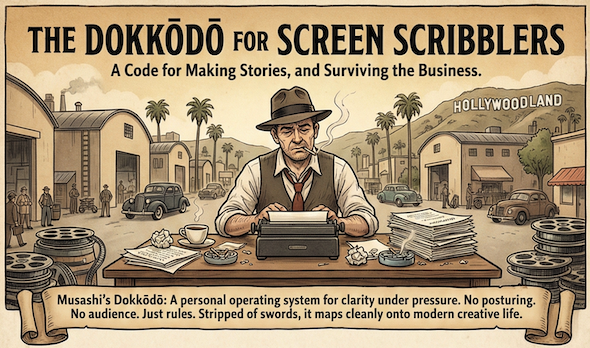
The Way of The Screen Scribbler in 2026
Miyamoto Musashi wrote his Dokkōdō as a personal operating system. Strip away the swords and the duels, and his rules apply to screen scribblers seeking a productive creative life in 2026.
Dead Internet vs. Alive Scribblers
Half the internet is bots. Good. Less competition for IRL scribblers.

Heroic Framing
Psychologists call it narrative identity. When you frame yourself as the protagonist, motivation, resilience, and mental health rise in concert.

Could a Netflix-Warner Merger Save Indie Film?
An optimistic version of the contentious media mega-deal: theaters, guardrails, and a potential new on-ramp for next-gen indies.
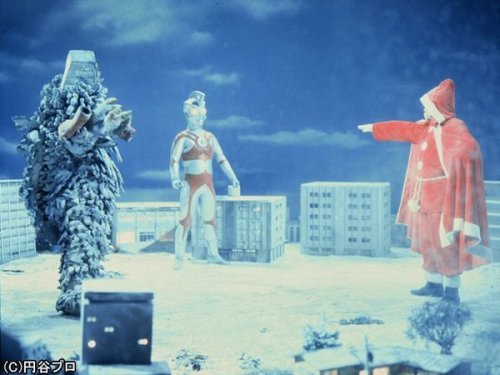
Building Characters That Don’t Die: Santa, Krampus, and Ultraman
What can we screen-scribblers learn from characters that refuse to die? After twenty-plus years in TV rooms and transmedia trenches, here’s what I’ve figured out. Pour something stronger than eggnog and let’s go.
Neural Herding, Gut Signals, and the Storytelling Collective
When people share a live story, their brainwaves literally sync. EEG and fMRI scans show audiences start to mirror each other - and the storyteller. The tighter the narrative grip, the tighter the neural alignment.
Craft a Category of One
How creators can protect their work from the new generation of AI powered counterfeiters.

Before Lost, There Was the Collapse of the Late Bronze Age
I've been falling down a rabbit hole of Michael Button's archaeology videos on YouTube, and they're rewiring how I think about our civilization and… our storytelling.
When Madness Feels Like Home
Your creative routine might look insane to everyone else, and that's totally cool. I spent much of the 2000s scribbling TV shows while selling spec scripts. My wife and kids wondered if I'd ever sleep normal hours. But every scribbler knows, a creative routine worth anything rarely resembles balance.

ADD Accommodations W/O Guardrails DOA
Rising numbers of ADHD accommodations at art schools will fail unless we acknowledge the greatest challenge for a young creative.

Figma Founder's Mindset for Screen Scribblers
Founders think in decades, not days. A mindset two generations of screen-scribblers need as we lurch toward 2026.
The Mic Is the New Lens
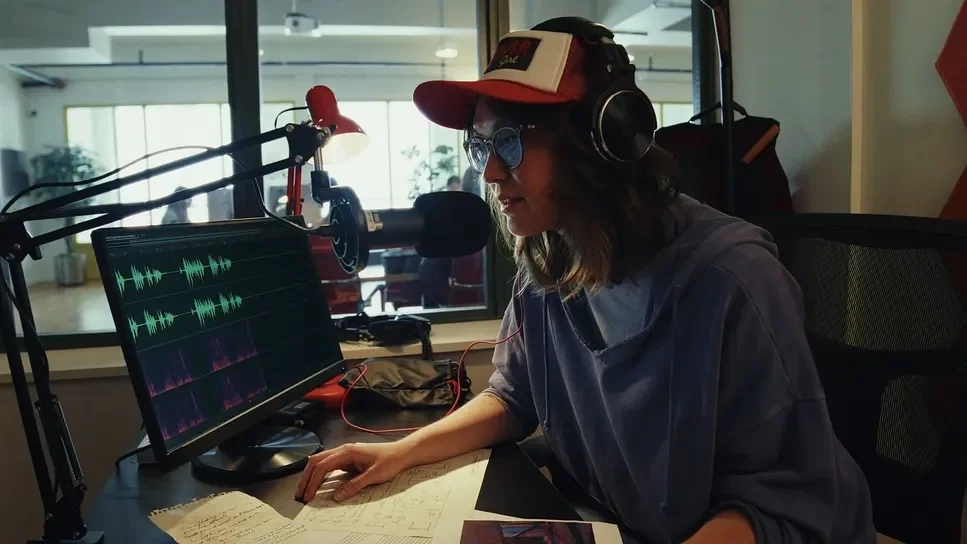
Podcasting is Going Visual and Eating TV's Lunch
Ubisoft’s "Teammates": A New Tool for IP Scribblers?
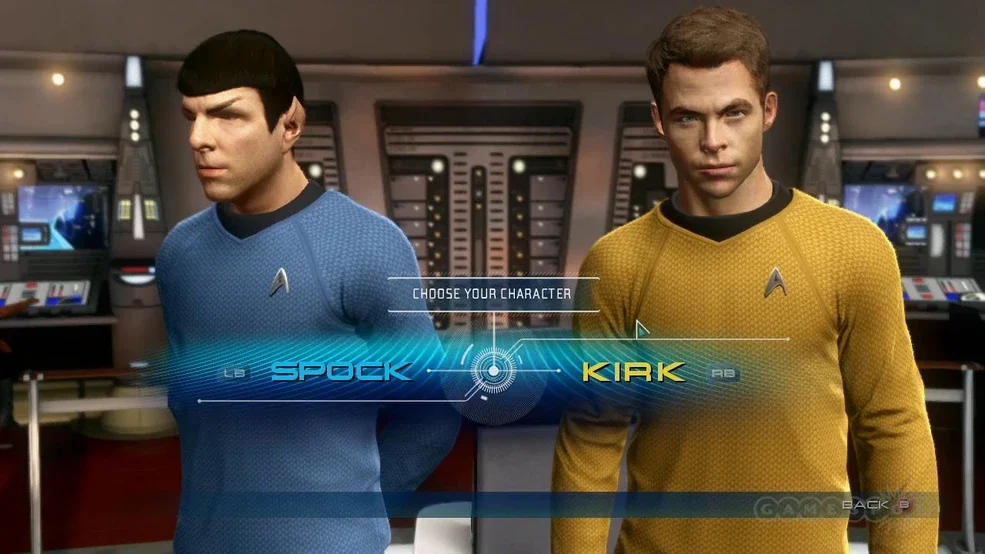
How do you keep characters consistent when the world is too big for any one brain to track? Ask them.
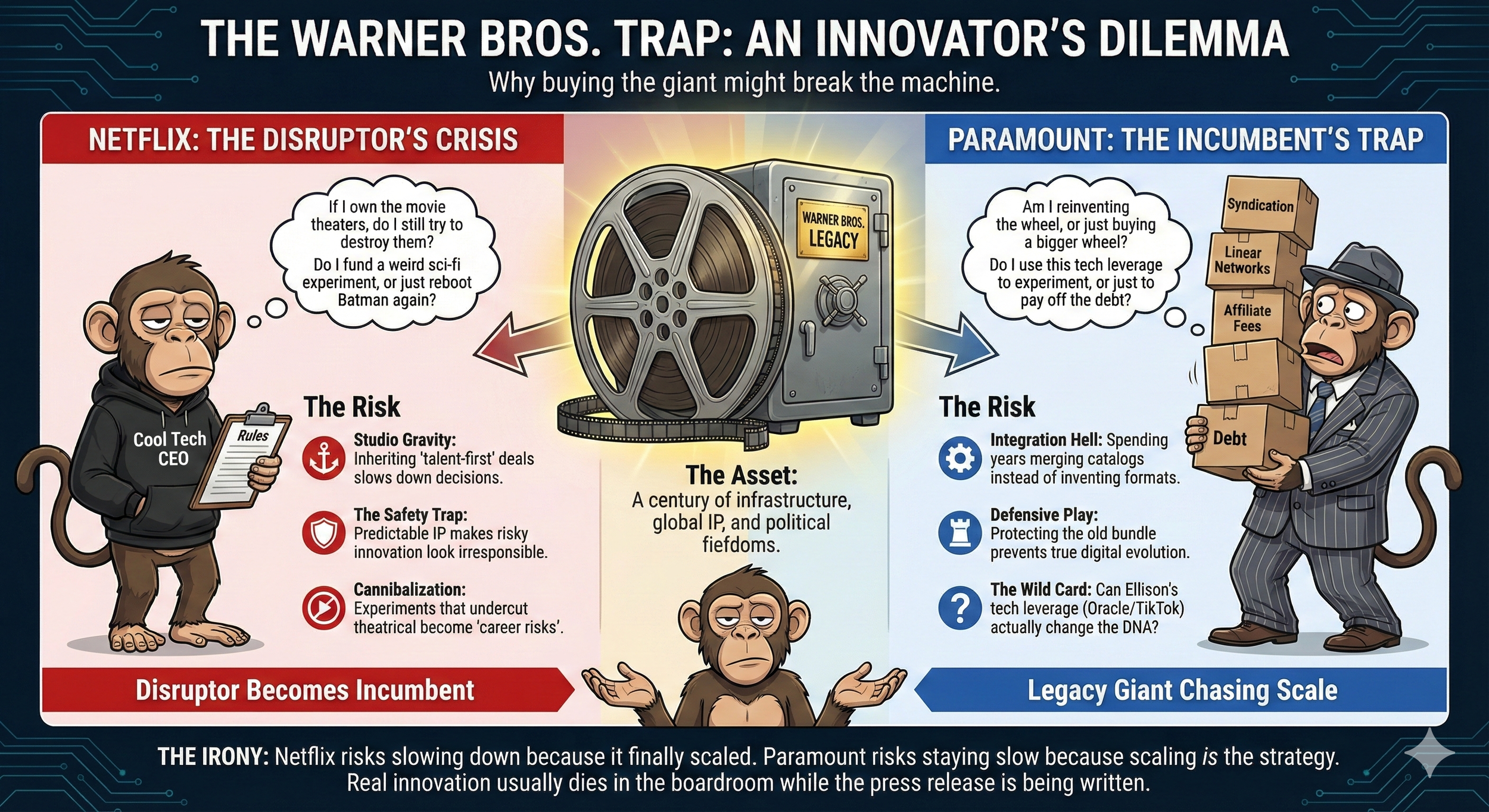
What if the Innovator Stops Innovating?
Maybe the real intangible of the Warner Bros sale might not be antitrust, but the innovator’s dilemma facing the buyer.
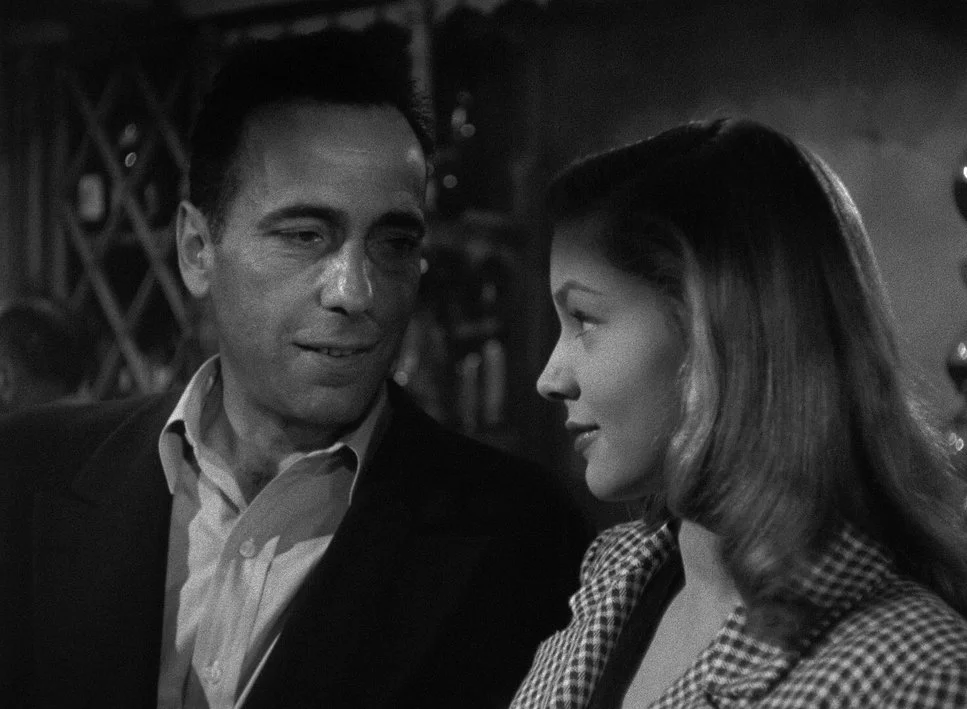
The Hawksian Method for Screen Scribblers
When I worked with Alex Kurtzman and the late, great Roberto Orci, I watched them do something unusual with their early drafts. Before the action lines, before the scene descriptions, before the translation into screenplay form, they often created a version that was dialogue only.